
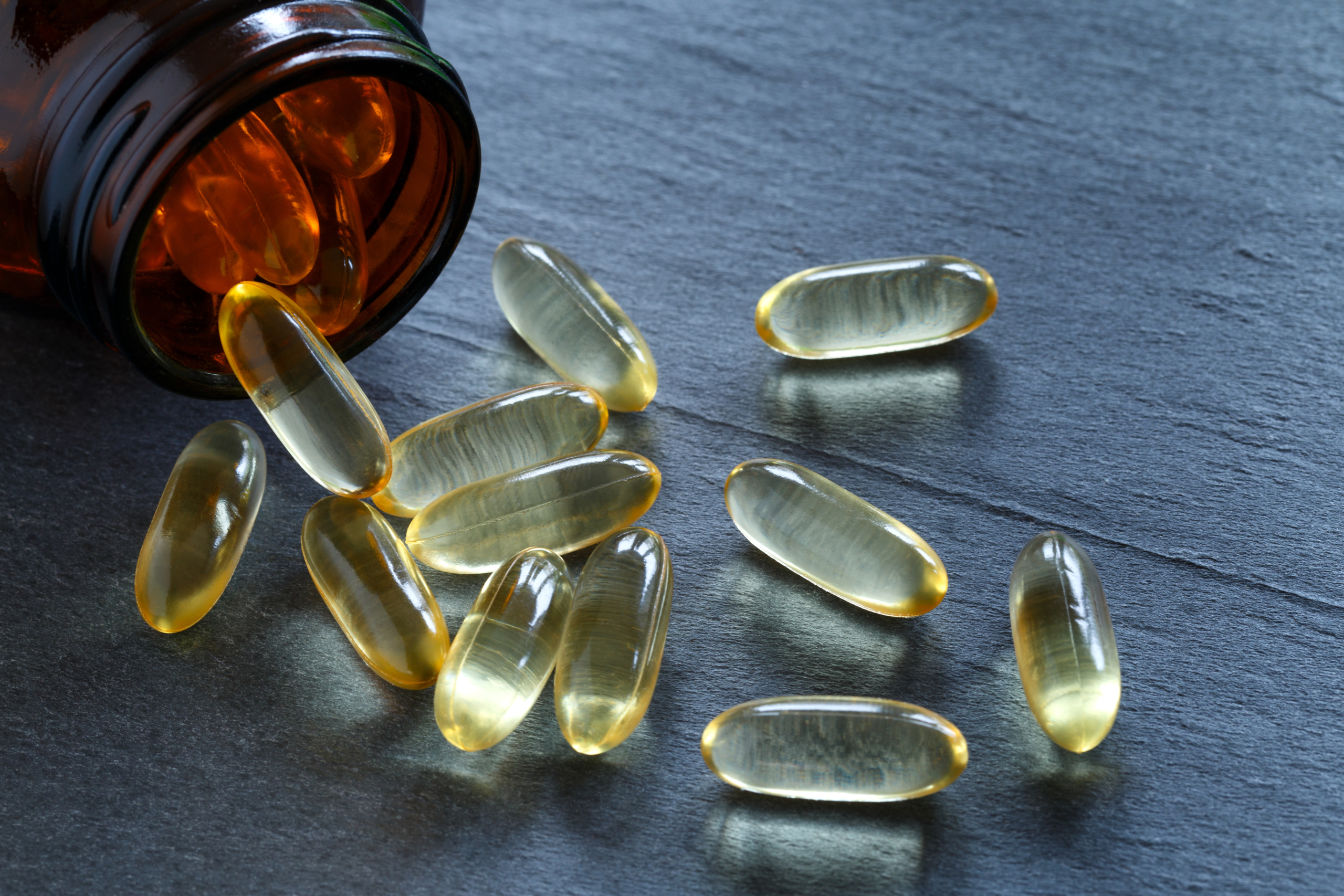
Omega-3 Aids in Medicine Addiction Recovery
Nutrition and Addiction Recovery
A balanced diet provides nutrients that support overall health. During addiction recovery, good nutrition can also help the body heal. However, substance use can disrupt eating habits and contribute to nutritional deficiencies. Therefore, treatment programs should address nutrition alongside other recovery needs. medlineplus.gov
The original article attributes its discussion of nutritional deficiencies to nutrition specialist Carolyn Reuben. It suggests that omega-3 supplements may help people recovering from addiction. However, readers should not interpret these claims as proof that an omega-3 deficiency causes addiction or that fish oil treats it.
Omega-3 Fatty Acids and Brain Health
Omega-3 fatty acids form part of the membranes surrounding the body’s cells. In particular, DHA, a type of omega-3, occurs at high levels in brain cells.
Food Sources of Omega-3
Fish, including salmon and sardines, provide omega-3 fatty acids. Additionally, walnuts, chia seeds, and flaxseed supply a plant-based form called ALA. A varied diet can help people meet their nutritional needs. Consumer
Nutrition and Addiction Treatment
The original article connects cravings and substance use with dopamine deficiencies. However, cravings alone cannot identify a nutrient deficiency or establish a simple explanation for addiction.
Treatment may include counseling, medication, or both, depending on the person’s needs. Nutrition can support this care, but supplements should not replace addiction treatment. Learn more through MedlinePlus’s information on drug use and addiction. medlineplus.gov
A Comprehensive Addiction Recovery Program
A recovery program should consider the person’s physical health, eating habits, and treatment needs. In addition, nutritional support can help people rebuild regular eating routines.
Building Regular Eating Habits
Regular meals, nutritious snacks, and adequate fluids can support recovery. Meals can include protein, vegetables, fruit, whole grains, and other sources of dietary fiber. Furthermore, a registered dietitian can help tailor the eating plan to the individual. Read more about substance use recovery and diet. medlineplus.gov
Discuss Supplements With a Healthcare Professional
The original article recommends specific amounts of protein, vegetables, L-glutamine, and fish oil at every meal. Those amounts should not serve as a universal recovery plan.
Instead, discuss supplement choices and doses with a healthcare professional. Omega-3 supplements can interact with some medications, including blood thinners. For more information, see the NIH omega-3 fact sheet. Consumer
Additional Resources
For more information on choosing care, explore questions to ask treatment providers on TooMuchRx.
The original article also includes a link to Evoke Wellness Massachusetts.
Source acknowledgment: This article adapts and corrects content originally published on Businesses Franklin.