Why Counterfeit Pills Are Dangerous
Deadly Counterfeit Pills spreading across the USA
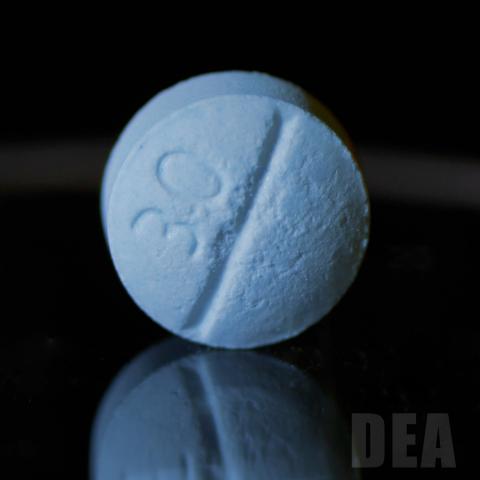
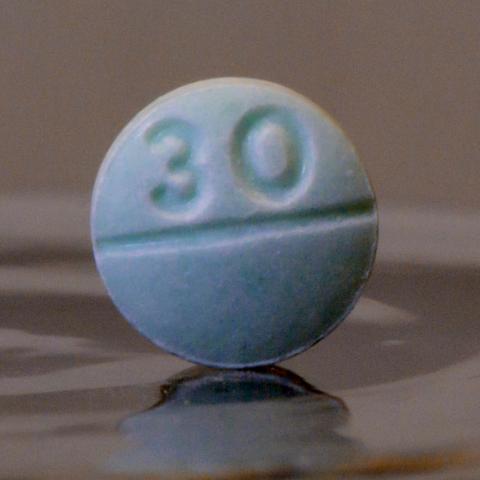
Counterfeit pills can look like legitimate prescription medications but contain dangerous, unexpected ingredients. Understanding the risks of fake medication can help protect you and your family from an accidental overdose.
These products may resemble oxycodone, Xanax, or Adderall. However, their appearance does not prove that they contain the correct medication or dose.
Fake prescription pills may contain fentanyl, methamphetamine, or other substances without the buyer’s knowledge. Because their contents and strength can be unpredictable, a single pill can be deadly.
According to the DEA’s One Pill Can Kill campaign, visual inspection cannot reliably determine whether a pill is legitimate. For this reason, prescription medication should come from a licensed pharmacy and be taken as directed by a qualified medical professional.
To better understand these risks, read our facts about fentanyl and learn how to recognize overdose warning signs.
Where Fake Prescription Pills Are Sold
Illegal sellers may advertise pills through social media, online marketplaces, or websites posing as pharmacies. Buyers can mistakenly believe they are purchasing genuine medication.
These products are made outside regulated pharmaceutical manufacturing systems. There is no reliable assurance of their ingredients, strength, or quality.
The DEA’s counterfeit medication guidance explains how these products imitate prescription drugs and put buyers at risk.
How to Protect Yourself and Your Family
Obtain Medication From Licensed Pharmacies
Obtain prescription medication from a licensed pharmacy using a valid prescription. Avoid buying pills from social media sellers or other unverified sources, and never take medication prescribed to someone else.
Talk About the Risks
Talk openly with teens and young adults about fake medication. Explain that a pill’s color, shape, packaging, or markings cannot establish whether it is genuine.
Prepare for an Emergency
Learn overdose warning signs and keep naloxone available if you or someone close to you may be at risk. Visit our Narcan nasal spray resource to learn more.
Recognizing and Responding to an Overdose
Know the Warning Signs
Warning signs of an opioid overdose include:
- Unconsciousness or inability to wake up
- Slow, shallow, or absent breathing
- Very small, “pinpoint” pupils
- Choking, gurgling, or unusual snoring sounds
- A limp body
- Cold, clammy skin or discoloration around the lips and nails
If you are unsure whether someone is experiencing an overdose, treat it as an emergency.
Act Immediately
Call 911 immediately and give naloxone if available. Follow the product instructions. If normal breathing does not return after two to three minutes, give another dose.
Additionally, if the person is unresponsive and not breathing normally, follow the dispatcher’s instructions for CPR or rescue breathing. If they are breathing normally but remain unconscious, place them on their side to help prevent choking.
Stay with the person until emergency responders arrive, even if they wake up. Naloxone’s effects are temporary, and overdose symptoms can return.
Review the CDC’s naloxone guidance for more information.
Counterfeit Pills: Appearance Does Not Prove Safety
Counterfeit pills cannot be judged safe by their color, shape, or markings. Choosing licensed pharmacies, understanding the risks, and knowing how to respond to an overdose can help prevent a life-threatening mistake.
Download the DEA’s December 2021 One Pill Can Kill fact sheet for additional information about counterfeit pills.